Will AI Replace Digital Marketers?

Will AI Replace Digital Marketers? The Truth About the Future of Marketing

Introduction

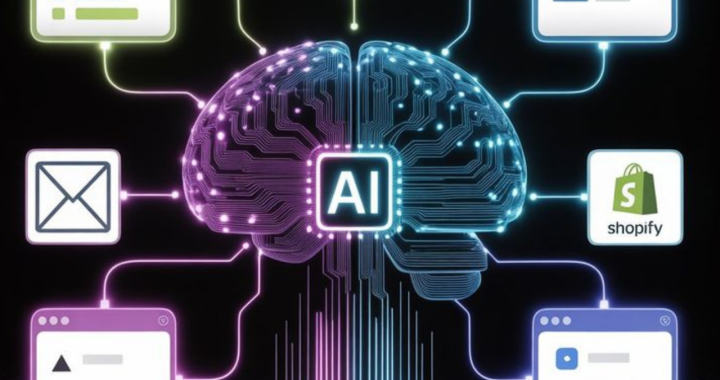
Artificial Intelligence (AI) has become one of the most transformative technologies in the digital world. From creating content and analyzing customer behavior to automating email campaigns and optimizing advertisements, AI is changing the way businesses market their products and services. As tools like ChatGPT, Google Gemini, and AI-powered marketing platforms continue to evolve, one question is on everyone’s mind: Will AI replace digital marketers?

The short answer is no—but it will transform the role of digital marketers forever. AI is designed to automate repetitive tasks, improve efficiency, and provide valuable insights. However, it cannot replace the creativity, strategic thinking, emotional intelligence, and human connection that successful marketing requires.

In this article, we’ll explore how AI is changing digital marketing, what tasks it can automate, what it cannot replace, and how marketers can prepare for the future.

What Is AI in Digital Marketing?

Artificial Intelligence in digital marketing refers to the use of machine learning, natural language processing, predictive analytics, and automation tools to improve marketing performance.

AI helps businesses:

  • Generate marketing content
  • Analyze customer data
  • Personalize user experiences
  • Predict customer behavior
  • Automate repetitive marketing tasks
  • Improve advertising performance

Instead of replacing marketers, AI acts as an intelligent assistant that helps them make better decisions faster.

Why People Think AI Will Replace Digital Marketers

The rapid growth of AI has sparked concerns because many marketing tasks can now be completed in minutes instead of hours.

For example, AI can:

  • Write blog outlines
  • Generate social media captions
  • Create email campaigns
  • Design marketing images
  • Analyze website traffic
  • Suggest SEO keywords
  • Optimize Google Ads

Since these tasks previously required human effort, many believe digital marketing jobs may disappear.

However, marketing involves much more than simply producing content or analyzing numbers.

What AI Can Do Better Than Humans

AI is exceptionally good at handling repetitive and data-driven tasks.

1. Content Generation

AI tools can quickly generate:

  • Blog drafts
  • Product descriptions
  • Social media posts
  • Email newsletters
  • Video scripts

This saves marketers significant time.

2. Data Analysis

AI processes massive amounts of customer data within seconds.

It identifies:

  • Customer behavior
  • Buying patterns
  • Campaign performance
  • Audience interests

These insights help businesses make informed decisions.

3. Marketing Automation

AI automates routine tasks like:

  • Email scheduling
  • Customer segmentation
  • Chatbot conversations
  • Lead nurturing
  • Campaign optimization

Automation improves efficiency while reducing manual work.

4. Personalized Marketing

AI recommends products and content based on customer behavior.

Examples include:

  • Netflix recommendations
  • Amazon product suggestions
  • Spotify playlists
  • Personalized shopping experiences

This increases customer engagement and conversions.

What AI Cannot Replace

Although AI is powerful, it has important limitations.

Human Creativity

AI generates content using existing information.

Humans create:

  • Original ideas
  • Unique brand stories
  • Emotional campaigns
  • Creative advertising concepts

Memorable marketing campaigns often come from imagination and cultural understanding rather than algorithms.

Emotional Intelligence

Customers connect with brands emotionally.

Humans understand:

  • Feelings
  • Cultural differences
  • Humor
  • Empathy
  • Relationships

AI can imitate emotion but does not genuinely understand it.

Strategic Thinking

Successful marketing requires long-term planning.

Marketers decide:

  • Brand positioning
  • Business goals
  • Customer journeys
  • Market expansion
  • Competitive strategies

AI provides recommendations, but humans make the final strategic decisions.

Brand Voice

Every brand has a unique personality.

For example:

  • Apple focuses on simplicity.
  • Nike inspires motivation.
  • Coca-Cola emphasizes happiness.

Maintaining a consistent and authentic brand voice requires human oversight.

Jobs Most Affected by AI

Some digital marketing roles will change significantly.

These include:

  • Basic content writing
  • Manual SEO reporting
  • Simple graphic creation
  • Data entry
  • Routine customer support

Professionals who rely only on repetitive tasks may face increased competition from AI tools.

Jobs That Will Grow Because of AI

Rather than eliminating opportunities, AI is creating new career paths.

Future high-demand roles include:

  • AI Marketing Specialist
  • Marketing Strategist
  • SEO Consultant
  • Content Strategist
  • Performance Marketing Manager
  • Marketing Automation Expert
  • Prompt Engineer
  • Data Analyst
  • Growth Marketer
  • AI Content Editor

Companies increasingly need professionals who can combine AI with business strategy.

Skills Every Digital Marketer Should Learn

To stay competitive, marketers should focus on skills that complement AI.

Learn AI Tools

Become familiar with tools such as:

  • ChatGPT
  • Google Gemini
  • Canva AI
  • HubSpot AI
  • Google Analytics
  • Meta Ads AI

Knowing how to use these tools effectively is becoming an essential skill.

Improve SEO Knowledge

Search engines continue to evolve.

Marketers should understand:

  • Keyword research
  • Search intent
  • Technical SEO
  • Content optimization
  • User experience

AI can assist with SEO, but strategy remains a human responsibility.

Develop Critical Thinking

Always verify AI-generated content.

Ask questions like:

  • Is the information accurate?
  • Does it align with the brand?
  • Is it useful for the audience?

Critical thinking ensures quality and trust.

Strengthen Communication Skills

Marketing is about building relationships.

Strong communication helps with:

  • Client management
  • Team collaboration
  • Brand messaging
  • Customer engagement

These skills cannot be fully automated.

How AI Will Shape the Future of Digital Marketing

The future belongs to marketers who embrace AI rather than fear it.

Businesses will increasingly use AI to:

  • Predict customer needs
  • Create personalized experiences
  • Improve marketing ROI
  • Reduce operational costs
  • Automate repetitive workflows

However, human marketers will remain responsible for:

  • Creativity
  • Decision-making
  • Ethics
  • Innovation
  • Customer trust

The best marketing teams will combine human expertise with AI-powered efficiency.

Tips to Stay Relevant in the AI Era

If you’re starting a career in digital marketing, follow these tips:

  • Learn AI tools instead of avoiding them.
  • Build strong marketing fundamentals.
  • Focus on creativity and storytelling.
  • Keep learning new technologies.
  • Stay updated with industry trends.
  • Practice using real marketing campaigns.
  • Develop analytical and problem-solving skills.
  • Build a personal portfolio showcasing AI-assisted projects.

The marketers who continuously learn will have a significant advantage.

Conclusion

So, will AI replace digital marketers? The answer is no—but it will replace outdated ways of working.

AI is a powerful assistant that automates repetitive tasks, improves efficiency, and provides valuable insights. However, it cannot replace human creativity, strategic thinking, emotional intelligence, or the ability to build meaningful relationships with customers.

The future of digital marketing is not AI versus humans. It is AI working alongside skilled marketers.

Those who embrace AI, continuously upgrade their skills, and focus on delivering value will remain in high demand. Rather than fearing AI, digital marketers should view it as an opportunity to become more productive, innovative, and successful.

In the years ahead, the most successful professionals will not be those who compete against AI—they will be those who know
How Does Digital Marketing Work?

Introduction

In today’s digital world, almost every business has an online presence. Whether you’re searching for a restaurant on Google, watching product reviews on YouTube, browsing Instagram, or receiving promotional emails, you’re interacting with digital marketing. Businesses use these online platforms to connect with potential customers, build trust, and increase sales.

But have you ever wondered how digital marketing actually works?

Digital marketing is much more than posting on social media or running advertisements. It is a strategic process that helps businesses attract the right audience, convert visitors into customers, and build long-term relationships. By combining different marketing channels such as search engines, websites, social media, email, and paid advertising, businesses can reach people wherever they spend their time online.

In this blog, you’ll learn how digital marketing works step by step, the key components involved, its benefits, and why it has become one of the most powerful business growth strategies.

What Is Digital Marketing?

Digital marketing is the process of promoting products or services using digital channels such as search engines, websites, social media platforms, email, mobile applications, and online advertisements.

Unlike traditional marketing, digital marketing allows businesses to target specific audiences, measure campaign performance, and optimize strategies in real time.

Its primary goal is to attract potential customers, generate leads, increase sales, and build long-term customer relationships.

How Does Digital Marketing Work?

Digital marketing follows a systematic process that transforms strangers into loyal customers. While every business may use different strategies, the overall workflow remains similar.

Step 1: Understanding the Target Audience

The first step is identifying the ideal customer.

Businesses research:

  • Age
  • Gender
  • Location
  • Interests
  • Buying behavior
  • Income level
  • Online habits

Knowing the audience helps marketers create content and campaigns that solve real customer problems.

For example, a fitness brand targets health-conscious individuals, while a software company targets business owners.

Step 2: Building an Online Presence

Once the audience is identified, businesses create an online presence.

This usually includes:

  • A professional website
  • Social media profiles
  • Google Business Profile
  • Blog section
  • Landing pages

A website serves as the digital headquarters where visitors can learn about products, services, pricing, and contact information.

Step 3: Creating Valuable Content

Content is the foundation of digital marketing.

Businesses create valuable content that educates, entertains, or solves customer problems.

Examples include:

  • Blog articles
  • Videos
  • Infographics
  • Podcasts
  • Case studies
  • Social media posts
  • E-books

High-quality content builds trust and encourages visitors to spend more time with the brand.

Step 4: Driving Traffic

After creating content, businesses need people to see it.

Traffic comes from multiple sources:

Search Engine Optimization (SEO)

SEO improves website rankings on Google, helping businesses receive free organic traffic.

Pay-Per-Click (PPC)

Businesses pay platforms like Google Ads to display advertisements instantly.

Social Media Marketing

Facebook, Instagram, LinkedIn, X, and Pinterest help brands engage with customers.

Email Marketing

Businesses send newsletters, offers, and educational emails to subscribers.

Content Marketing

Helpful blogs, videos, and guides attract visitors over time.

Each channel contributes to bringing potential customers to the business website.

The Digital Marketing Funnel

Digital marketing follows a customer journey known as the marketing funnel.

1. Awareness

Customers first discover the business through:

  • Google Search
  • Social media
  • Advertisements
  • Blog articles
  • YouTube videos

At this stage, businesses focus on educating rather than selling.

2. Interest

Visitors begin exploring the website.

They may:

  • Read blogs
  • Watch videos
  • Compare products
  • Follow social media accounts

Businesses build trust by providing useful information.

3. Consideration

Potential customers now evaluate whether the product solves their problem.

Businesses encourage decisions through:

  • Testimonials
  • Reviews
  • Case studies
  • Free trials
  • Product demonstrations

4. Conversion

The visitor finally completes the desired action.

Examples include:

  • Purchasing a product
  • Filling out a contact form
  • Booking a consultation
  • Downloading an eBook
  • Subscribing to a newsletter

This stage converts a visitor into a customer or lead.

5. Retention

Digital marketing doesn’t stop after a sale.

Businesses continue engaging customers through:

  • Email campaigns
  • Loyalty programs
  • Customer support
  • Exclusive offers
  • Personalized recommendations

Happy customers often become repeat buyers and brand advocates.

Major Components of Digital Marketing

Search Engine Optimization (SEO)

SEO improves a website’s visibility on search engines like Google.

SEO includes:

  • Keyword research
  • On-page optimization
  • Technical SEO
  • Link building
  • Content optimization

Higher rankings increase organic traffic without paying for every click.

Content Marketing

Content marketing focuses on creating valuable information that attracts potential customers.

Popular content formats include:

  • Blogs
  • Videos
  • Tutorials
  • Whitepapers
  • Webinars

Good content builds credibility and authority.

Social Media Marketing

Businesses use social platforms to:

  • Increase brand awareness
  • Engage audiences
  • Share updates
  • Generate leads
  • Build communities

Consistent posting strengthens customer relationships.

Email Marketing

Email remains one of the highest ROI marketing channels.

Businesses use email for:

  • Promotions
  • Product launches
  • Welcome sequences
  • Educational content
  • Customer retention

Personalized emails improve engagement and conversions.

Paid Advertising (PPC)

Paid campaigns allow businesses to reach customers quickly.

Popular platforms include:

  • Google Ads
  • Facebook Ads
  • Instagram Ads
  • LinkedIn Ads
  • YouTube Ads

PPC provides immediate visibility and measurable results.

The Role of Data and Analytics

One of digital marketing’s greatest strengths is measurable performance.

Businesses track metrics such as:

  • Website visitors
  • Click-through rate (CTR)
  • Bounce rate
  • Conversion rate
  • Cost per click (CPC)
  • Return on Investment (ROI)
  • Customer Lifetime Value (CLV)

Analytics help marketers understand what works and continuously improve campaigns.

How AI Is Changing Digital Marketing

Artificial Intelligence has transformed how businesses market online.

AI helps marketers:

  • Generate content
  • Analyze customer behavior
  • Predict buying patterns
  • Personalize recommendations
  • Automate emails
  • Improve customer service through chatbots
  • Optimize advertising campaigns

Rather than replacing marketers, AI enhances productivity and enables smarter decision-making.

Benefits of Digital Marketing

Digital marketing offers several advantages over traditional marketing:

  • Global reach
  • Lower marketing costs
  • Better audience targeting
  • Measurable campaign performance
  • Higher customer engagement
  • Real-time optimization
  • Personalized communication
  • Improved return on investment

Businesses of every size can compete effectively using digital marketing strategies.

Common Challenges

Although digital marketing offers many opportunities, businesses may face challenges such as:

  • Increasing competition
  • Frequent algorithm updates
  • Data privacy regulations
  • Content saturation
  • Keeping up with new technologies
  • Maintaining customer trust

Success requires continuous learning and adaptation.

Best Practices for Successful Digital Marketing

To achieve long-term success, businesses should:

  1. Clearly define marketing goals.
  2. Understand the target audience.
  3. Create valuable, high-quality content.
  4. Invest in SEO for sustainable traffic.
  5. Use multiple marketing channels together.
  6. Monitor analytics regularly.
  7. Optimize campaigns based on data.
  8. Build long-term customer relationships.
  9. Stay updated with industry trends.
  10. Use AI and automation responsibly.

Future of Digital Marketing

The future of digital marketing will focus on:

  • Artificial Intelligence
  • Hyper-personalization
  • Voice search optimization
  • Video-first content
  • Marketing automation
  • Predictive analytics
  • Interactive customer experiences
  • Privacy-focused marketing

Businesses that embrace innovation and adapt to changing consumer behavior will stay ahead of the competition.

Conclusion

Digital marketing works by connecting businesses with the right audience through online channels such as search engines, websites, social media, email, and paid advertising. It begins with understanding customer needs, creating valuable content, attracting visitors, converting them into customers, and building lasting relationships.

Unlike traditional marketing, digital marketing is measurable, cost-effective, and highly targeted. Businesses can track every click, analyze customer behavior, and continuously improve their campaigns for better results.

As technologies like Artificial Intelligence, automation, and predictive analytics continue to evolve, digital marketing will become even more personalized and efficient. Whether you’re a student, entrepreneur, freelancer, or business owner, understanding how digital marketing works is an essential skill in today’s digital economy.

Frequently Asked Questions (FAQs)

1. What is digital marketing?

Digital marketing is the promotion of products or services through online channels such as search engines, social media, websites, email, and paid advertising.

2. How does digital marketing generate customers?

It attracts visitors through SEO, social media, content marketing, and ads, then converts them into leads or customers using landing pages, email marketing, and optimized user experiences.

3. What are the main types of digital marketing?

The main types include SEO, Content Marketing, Social Media Marketing, Email Marketing, Pay-Per-Click (PPC), Affiliate Marketing, and Influencer Marketing.

4. Is digital marketing suitable for small businesses?

Yes. Digital marketing is cost-effective, highly targeted, and allows small businesses to compete with larger companies by reaching the right audience online.

5. What is the future of digital marketing?

The future includes AI-powered marketing, automation, voice search optimization, personalized customer experiences, predictive analytics, and advanced data-driven strategies.

How AI Is Transforming the Future of Digital Marketing?

Introduction

Artificial Intelligence (AI) is no longer a futuristic concept—it has become an essential part of modern digital marketing. Businesses of every size are using AI-powered tools to improve customer experiences, automate repetitive tasks, analyze data, and create more personalized marketing campaigns. As technology continues to evolve, AI is shaping the future of digital marketing by making strategies smarter, faster, and more effective.

In this article, we’ll explore how AI is transforming digital marketing, its key benefits, emerging trends, and how businesses can prepare for an AI-driven future.

What Is AI in Digital Marketing?

Artificial Intelligence in digital marketing refers to the use of machine learning, natural language processing (NLP), predictive analytics, and automation to improve marketing performance. AI helps marketers collect and analyze large volumes of data, understand customer behavior, and make informed decisions with greater accuracy.

Instead of relying only on manual efforts, businesses can use AI to automate workflows, personalize customer interactions, and optimize campaigns in real time.

Why AI Is Becoming Essential

The digital world generates enormous amounts of customer data every day. AI enables marketers to process this information quickly and uncover valuable insights that would be difficult to identify manually.

Businesses that adopt AI can:

  • Improve customer engagement
  • Increase marketing efficiency
  • Reduce operational costs
  • Make data-driven decisions
  • Deliver personalized experiences at scale

How AI Is Transforming Digital Marketing

1. Personalized Customer Experiences

AI analyzes customer preferences, browsing history, and purchasing behavior to deliver personalized recommendations.

Examples include:

  • Product recommendations
  • Personalized emails
  • Customized website content
  • Individualized advertisements

This level of personalization improves customer satisfaction and increases conversion rates.

2. AI-Powered Content Creation

AI tools can assist marketers by generating:

  • Blog outlines
  • Social media captions
  • Email campaigns
  • Product descriptions
  • SEO suggestions

While human creativity remains essential, AI significantly speeds up content production and improves productivity.

3. Smarter SEO Strategies

AI has transformed search engine optimization by helping marketers:

  • Discover high-performing keywords
  • Analyze competitors
  • Improve content quality
  • Optimize on-page SEO
  • Predict search trends

AI-powered SEO tools help businesses create content that better matches user intent and search engine requirements.

4. Chatbots and Virtual Assistants

AI-powered chatbots provide instant customer support 24/7 by answering common questions, assisting with purchases, and resolving basic issues.

Benefits include:

  • Faster response times
  • Improved customer satisfaction
  • Lower support costs
  • Increased lead generation

5. Predictive Analytics

AI analyzes historical data to predict future customer behavior.

Businesses can forecast:

  • Customer purchases
  • Churn probability
  • Product demand
  • Marketing campaign performance

Predictive analytics helps marketers make smarter strategic decisions.

6. Marketing Automation

AI automates repetitive marketing tasks, including:

  • Email marketing
  • Lead nurturing
  • Customer segmentation
  • Campaign scheduling
  • Performance reporting

Automation allows marketing teams to focus on creativity and strategy rather than routine tasks.

7. Better Advertising Performance

AI improves digital advertising by automatically optimizing:

  • Audience targeting
  • Ad placements
  • Budget allocation
  • Bid strategies
  • Creative testing

This results in higher return on investment (ROI) and improved campaign performance.

8. Voice Search Optimization

As voice assistants become more popular, AI helps businesses optimize content for conversational searches.

Marketers are increasingly focusing on:

  • Long-tail keywords
  • Natural language queries
  • Featured snippets
  • Local SEO

Voice search is expected to play an even larger role in future digital marketing strategies.

9. Customer Journey Analysis

AI tracks customer interactions across multiple channels, providing marketers with a complete understanding of the customer journey.

This helps businesses identify:

  • Customer pain points
  • Conversion opportunities
  • Drop-off stages
  • High-performing channels

These insights enable continuous optimization of marketing campaigns.

Benefits of AI in Digital Marketing

The biggest advantages include:

  • Improved decision-making through data analysis
  • Enhanced customer personalization
  • Faster campaign execution
  • Better customer engagement
  • Increased efficiency
  • Higher conversion rates
  • Cost savings through automation
  • Improved return on marketing investment

Challenges of AI in Digital Marketing

Despite its benefits, AI also presents challenges:

  • Data privacy concerns
  • High implementation costs for some businesses
  • Dependence on quality data
  • Ethical considerations
  • Need for skilled professionals
  • Maintaining a balance between automation and human creativity

Businesses should use AI responsibly while ensuring transparency and protecting customer data.

Future Trends of AI in Digital Marketing

The future of AI will continue to reshape marketing through:

  • Hyper-personalized customer experiences
  • Advanced predictive analytics
  • AI-generated videos and visuals
  • Smarter marketing automation
  • Conversational AI assistants
  • Real-time customer insights
  • Enhanced voice and visual search
  • AI-powered customer service

Companies that embrace these innovations will gain a significant competitive advantage.

Best Practices for Businesses

To successfully adopt AI in digital marketing:

  1. Invest in quality customer data.
  2. Combine AI with human creativity.
  3. Focus on customer privacy and ethical AI usage.
  4. Continuously monitor AI-generated results.
  5. Train marketing teams to work with AI-powered tools.
  6. Start with small AI projects before scaling.

Conclusion

Artificial Intelligence is transforming the future of digital marketing by making campaigns more personalized, data-driven, and efficient. From content creation and SEO to predictive analytics and marketing automation, AI enables businesses to reach the right audience with the right message at the right time.

While AI will continue to evolve, it should be viewed as a tool that enhances—not replaces—human creativity and strategic thinking. Businesses that embrace AI responsibly and combine it with innovative marketing strategies will be well-positioned for long-term success in an increasingly competitive digital landscape.

Frequently Asked Questions (FAQs)

1. What is AI in digital marketing?
AI in digital marketing uses technologies like machine learning and automation to improve marketing strategies, analyze customer data, and personalize user experiences.

2. How does AI improve SEO?
AI helps identify keywords, optimize content, analyze competitors, and understand user intent, leading to better search engine rankings.

3. Can AI replace digital marketers?
No. AI automates repetitive tasks and provides insights, but human creativity, strategy, and decision-making remain essential.

4. What are the biggest benefits of AI in marketing?
Personalization, automation, predictive analytics, improved customer engagement, and higher marketing ROI are among the biggest advantages.

5. What is the future of AI in digital marketing?
The future includes smarter automation, hyper-personalization, conversational AI, predictive marketing, AI-generated content, and more intelligent customer experiences.

The Future of Artificial Intelligence

The Future of Artificial Intelligence: How AI Is Transforming Our World in 2026

Artificial Intelligence (AI) is no longer a futuristic concept—it has become a part of our everyday lives. From voice assistants like Siri and Google Assistant to personalized recommendations on Netflix and Amazon, AI is powering many of the technologies we use daily. In 2026, AI continues to evolve rapidly, transforming industries, improving productivity, and creating new opportunities for businesses and individuals alike.

This article explores what Artificial Intelligence is, how it works, its benefits, applications, challenges, and what the future holds for this revolutionary technology.

What Is Artificial Intelligence?

Artificial Intelligence refers to the simulation of human intelligence in machines that are programmed to think, learn, solve problems, and make decisions. AI systems analyze large amounts of data, recognize patterns, and continuously improve their performance through experience.

Unlike traditional software that follows fixed rules, AI can adapt and make predictions based on data. This ability makes AI one of the most powerful technologies of the modern era.

Today, AI is used in smartphones, healthcare, finance, education, manufacturing, transportation, entertainment, and countless other industries.

How Does AI Work?

Artificial Intelligence combines several technologies to mimic human intelligence. These include:

Machine Learning (ML)

Machine Learning enables computers to learn from data without being explicitly programmed. Instead of following fixed instructions, ML models identify patterns and improve their predictions over time.

Deep Learning

Deep Learning is a subset of machine learning that uses artificial neural networks inspired by the human brain. It is particularly effective for image recognition, speech recognition, and language understanding.

Natural Language Processing (NLP)

NLP allows computers to understand, interpret, and generate human language. AI chatbots, virtual assistants, and language translation tools rely heavily on NLP.

Computer Vision

Computer Vision enables machines to analyze images and videos. It is used in facial recognition, medical imaging, autonomous vehicles, and quality inspection in manufacturing.

Benefits of Artificial Intelligence

AI offers numerous advantages for businesses and individuals.

Increased Productivity

AI automates repetitive tasks, allowing employees to focus on creative and strategic work. Businesses can complete operations faster while reducing costs.

Better Decision-Making

AI analyzes massive datasets within seconds, providing valuable insights that help organizations make informed decisions.

Enhanced Customer Experience

Businesses use AI-powered chatbots and virtual assistants to provide instant customer support 24/7. Personalized recommendations also improve customer satisfaction.

Improved Accuracy

AI minimizes human errors in industries such as healthcare, finance, and manufacturing by analyzing data with high precision.

Cost Savings

Automation reduces labor costs, improves efficiency, and minimizes operational expenses.

Real-World Applications of AI

Healthcare

Artificial Intelligence is transforming healthcare by assisting doctors in diagnosing diseases, analyzing medical images, predicting patient outcomes, and accelerating drug discovery.

AI-powered wearable devices also monitor heart rate, sleep patterns, and overall health in real time.

Education

Educational platforms use AI to personalize learning experiences. Students receive customized lessons based on their learning speed and performance.

AI also assists teachers by automating grading and providing detailed learning analytics.

Finance

Banks and financial institutions use AI for fraud detection, credit scoring, algorithmic trading, and customer service.

AI helps detect suspicious transactions within seconds, improving financial security.

E-commerce

Online shopping platforms rely on AI for product recommendations, dynamic pricing, customer support, and inventory management.

AI improves user experience by suggesting products based on browsing history and purchasing behavior.

Transportation

Self-driving vehicles use AI to recognize roads, traffic signs, pedestrians, and obstacles.

AI also optimizes traffic management systems, reducing congestion and improving safety.

Digital Marketing

AI has revolutionized digital marketing by helping businesses:

  • Create high-quality content
  • Automate email campaigns
  • Analyze customer behavior
  • Optimize Google Ads
  • Improve SEO performance
  • Generate personalized recommendations
  • Predict customer purchasing patterns

Marketing professionals now use AI tools to save time while improving campaign performance.

Popular AI Tools in 2026

Many AI-powered tools are helping businesses and creators become more productive.

Some popular AI tools include:

  • ChatGPT for content creation and customer support
  • Google Gemini for research and productivity
  • Microsoft Copilot for workplace automation
  • Claude for writing and analysis
  • Midjourney for AI-generated artwork
  • Canva AI for graphic design
  • Grammarly AI for writing assistance
  • Notion AI for note-taking and project management

These tools help individuals work smarter while reducing repetitive tasks.

Challenges of Artificial Intelligence

Despite its benefits, AI also presents several challenges.

Job Displacement

Automation may replace certain repetitive jobs. However, AI is also creating new career opportunities in software development, data science, AI engineering, and digital marketing.

Data Privacy

AI systems require large amounts of data. Organizations must protect user information and comply with privacy regulations.

Bias in AI

If AI is trained on biased data, it can produce unfair or inaccurate results. Developers must ensure datasets are diverse and unbiased.

Security Risks

Cybercriminals may misuse AI for phishing attacks, deepfakes, and automated hacking. Strong cybersecurity measures are essential to reduce these risks.

The Future of Artificial Intelligence

Artificial Intelligence will continue transforming nearly every industry over the next decade.

Future developments may include:

  • Smarter virtual assistants
  • Fully autonomous vehicles
  • AI-powered medical diagnosis
  • Advanced robotics
  • Personalized education
  • Intelligent manufacturing
  • More accurate language translation
  • Faster scientific discoveries

As AI technology evolves, businesses that embrace innovation will gain a significant competitive advantage.

Tips for Businesses Adopting AI

Organizations planning to implement AI should follow these best practices:

  1. Identify repetitive tasks that can be automated.
  2. Choose AI tools that align with business goals.
  3. Train employees to work alongside AI systems.
  4. Ensure data privacy and security.
  5. Continuously monitor AI performance and improve models.
  6. Focus on using AI ethically and responsibly.

By combining human expertise with AI capabilities, businesses can maximize efficiency and innovation.

Conclusion

Artificial Intelligence is reshaping the way we live, work, and communicate. From healthcare and education to finance and digital marketing, AI is driving innovation across every major industry. It enables businesses to automate routine tasks, make smarter decisions, improve customer experiences, and increase productivity.

While challenges such as data privacy, ethical concerns, and job displacement remain, the benefits of AI far outweigh the risks when implemented responsibly. The future belongs to organizations and individuals who are willing to learn, adapt, and leverage AI as a powerful tool rather than viewing it as a replacement for human creativity.

As we move further into 2026 and beyond, Artificial Intelligence will continue to unlock new possibilities, helping solve complex problems and shaping a smarter, more connected world. Whether you are a business owner, student, marketer, or technology enthusiast, understanding AI today is an investment in tomorrow’s success.

Google Ads: The Ultimate Guide to Growing Your Business Online

Google Ads: The Ultimate Guide to Growing Your Business Online

Meta Title

Google Ads Guide: Benefits, Campaign Types & Best Practices for Business Growth

Meta Description

Learn how Google Ads can help your business attract customers, increase website traffic, generate quality leads, and boost sales. Discover campaign types, benefits, and expert tips.

Google Ads: The Ultimate Guide to Growing Your Business Online

In today’s digital world, businesses need more than just a website to succeed. With millions of people searching on Google every day, reaching potential customers at the right time is essential. Google Ads is one of the most effective online advertising platforms that helps businesses connect with people who are actively searching for their products or services.

Whether you own a small local business, an e-commerce store, or a large enterprise, Google Ads allows you to promote your brand, generate leads, increase website traffic, and boost sales. Unlike traditional advertising, Google Ads offers measurable results, flexible budgeting, and advanced targeting options, making it a valuable tool for businesses of all sizes.

What is Google Ads?

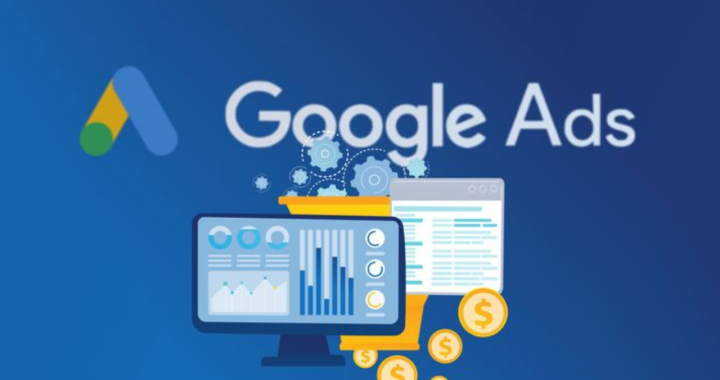
Google Ads is Google’s online advertising platform that enables businesses to create and display advertisements across Google Search, YouTube, Google Maps, Gmail, the Google Display Network, and partner websites. Advertisers bid on keywords related to their products or services, and Google displays their ads to users searching for those keywords.

Google Ads operates primarily on a Pay-Per-Click (PPC) model, meaning advertisers pay only when someone clicks on their ad. This makes it a cost-effective solution because you are paying for actual engagement rather than simply displaying your advertisement.

Why Should Businesses Use Google Ads?

Google Ads offers several advantages that help businesses achieve their marketing goals quickly and efficiently.

Reach Customers with High Purchase Intent

People use Google to search for solutions, products, and services. When your advertisement appears in search results, you’re reaching users who are already interested in what you offer, increasing the chances of conversions.

Immediate Visibility

Unlike Search Engine Optimization (SEO), which can take months to produce results, Google Ads can place your business at the top of search results within hours of launching a campaign.

Flexible Budgeting

Google Ads allows you to set a daily or monthly budget based on your marketing goals. Whether you have a small budget or a large advertising spend, you remain in complete control of your costs.

Measurable Performance

Google Ads provides detailed insights into campaign performance, including impressions, clicks, conversions, click-through rate (CTR), cost per click (CPC), and return on investment (ROI). These metrics help businesses optimize campaigns for better results.

Types of Google Ads Campaigns

Google Ads offers multiple campaign types designed to meet different marketing objectives.

Search Campaigns

Search campaigns display text ads on Google’s search engine results pages when users search for relevant keywords. These campaigns are ideal for generating leads, website traffic, and sales because they target users with strong purchase intent.

Display Campaigns

Display campaigns show visual banner advertisements across millions of websites and mobile applications within Google’s Display Network. They are excellent for increasing brand awareness and reaching new audiences.

Video Campaigns

Video campaigns display advertisements on YouTube before, during, or after videos. They are perfect for storytelling, product demonstrations, tutorials, and building brand recognition.

Shopping Campaigns

Shopping campaigns showcase product images, prices, ratings, and store information directly in Google Search results. These campaigns are highly effective for online retailers looking to drive product sales.

Performance Max Campaigns

Performance Max uses Google’s artificial intelligence to deliver ads across all Google platforms, including Search, Display, YouTube, Discover, Gmail, and Maps. The system automatically optimizes bidding and placements to maximize conversions.

How Google Ads Works

Running a successful Google Ads campaign involves several important steps:

  1. Create a Google Ads account.
  2. Choose your campaign objective, such as website traffic, leads, or sales.
  3. Select the appropriate campaign type.
  4. Conduct keyword research to identify relevant search terms.
  5. Write compelling ad copy with a strong call-to-action.
  6. Set your budget and bidding strategy.
  7. Launch the campaign.
  8. Monitor performance and optimize regularly.

Regular optimization is essential to improve campaign efficiency and maximize your return on investment.

Best Practices for Google Ads Success

Conduct Thorough Keyword Research

Selecting the right keywords ensures your ads appear for relevant searches. Use a combination of short-tail and long-tail keywords to reach different customer segments.

Write Engaging Ad Copy

Your advertisement should clearly communicate your value proposition and encourage users to take action. Include relevant keywords and a compelling call-to-action such as “Get a Free Quote,” “Book Today,” or “Learn More.”

Optimize Landing Pages

A high-quality landing page improves user experience and increases conversion rates. Ensure your landing page loads quickly, is mobile-friendly, and contains clear information along with a visible call-to-action.

Use Negative Keywords

Negative keywords prevent your ads from appearing for irrelevant searches, reducing wasted ad spend and improving campaign performance.

Monitor Campaign Performance

Regularly review campaign metrics such as CTR, CPC, Quality Score, and conversion rate. Testing different headlines, descriptions, and bidding strategies can significantly improve results over time.

Common Google Ads Mistakes to Avoid

Many advertisers fail to achieve the desired results because they make avoidable mistakes, including:

  • Targeting overly broad keywords.
  • Ignoring negative keywords.
  • Sending traffic to poorly designed landing pages.
  • Not tracking conversions.
  • Using weak or generic ad copy.
  • Neglecting regular campaign optimization.

Avoiding these mistakes helps improve ad relevance, reduce costs, and increase conversions.

Who Can Benefit from Google Ads?

Google Ads is suitable for businesses across almost every industry, including:

  • Digital marketing agencies
  • E-commerce stores
  • Educational institutions
  • Healthcare providers
  • Restaurants and cafés
  • Real estate agencies
  • Travel companies
  • Professional service providers
  • Local businesses
  • Startups and small businesses

Whether your goal is lead generation, online sales, or brand awareness, Google Ads provides powerful tools to help you reach your target audience.

Frequently Asked Questions (FAQs)

Is Google Ads suitable for small businesses?

Yes. Google Ads is highly scalable, allowing small businesses to start with a modest budget and expand campaigns as they grow.

How much does Google Ads cost?

There is no fixed cost. Your advertising expenses depend on your industry, competition, selected keywords, and bidding strategy. You can control your budget at any time.

How quickly can Google Ads generate results?

Google Ads campaigns can begin driving traffic and generating leads shortly after they are approved and published.

What is Quality Score?

Quality Score is Google’s rating of your keywords, advertisements, and landing pages. Higher Quality Scores often lead to lower advertising costs and better ad placements.

Can I target customers in specific locations?

Yes. Google Ads allows businesses to target users based on countries, states, cities, postal codes, or a custom radius around a specific location.

Conclusion

Google Ads is one of the most powerful digital advertising platforms available today. It helps businesses connect with potential customers at the exact moment they are searching for relevant products or services. With flexible budgeting, advanced targeting, measurable performance, and multiple campaign options, Google Ads can deliver excellent results for businesses of every size.

Success with Google Ads requires more than simply creating advertisements. Choosing the right keywords, writing compelling ad copy, optimizing landing pages, tracking conversions, and continuously improving campaigns are all essential for maximizing return on investment. By implementing these best practices, businesses can increase visibility, generate qualified leads, boost sales, and achieve long-term growth in the competitive digital marketplace.

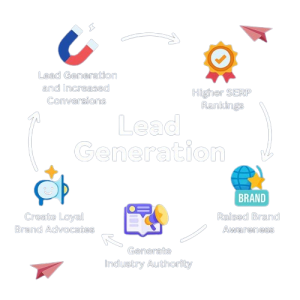
Lead Generation: The Complete Guide to Attracting More Customers

What Is Lead Generation?

Lead generation is the process of attracting and capturing the interest of potential customers, known as leads, who may eventually purchase your product or service.

A lead typically provides their contact information, such as:


  • Name
  • Email address
  • Phone number
  • Company name
  • Business requirements

Businesses collect this information through websites, landing pages, social media, advertisements, events, and other marketing channels.Continue reading

On-Page SEO vs Off-Page SEO

On-Page SEO vs Off-Page SEO: What’s the Difference?

Search Engine Optimization (SEO) is one of the most effective digital marketing strategies for improving your website’s visibility on search engines like Google. Whether you run a small business, an e-commerce store, or a digital marketing agency, understanding the difference between On-Page SEO vs Off-Page SEO is essential for achieving higher rankings and attracting more organic traffic.

Many beginners assume SEO is only about adding keywords to a webpage. In reality, successful SEO consists of two major components: On-Page SEO and Off-Page SEO. Both work together to improve your website’s authority, user experience, and search engine rankings.

In this comprehensive guide, we’ll explain the differences, benefits, techniques, and best practices of On-Page SEO and Off-Page SEO.

Continue reading

The Future of Digital Marketing

The Future of Digital Marketing: Top Trends Every Business Should Know in 2026

Digital marketing continues to evolve at a rapid pace. As technology advances and customer expectations change, businesses must adapt their marketing strategies to remain competitive. Companies that embrace new digital marketing trends gain better visibility, higher engagement, and stronger customer relationships.

Whether you’re a startup, small business, or established brand, understanding the future of digital marketing can help you create effective campaigns that deliver long-term results.

In this blog, we’ll explore the biggest digital marketing trends shaping 2026 and how businesses can leverage them for sustainable growth.


Continue reading