
What Is Lead Generation?
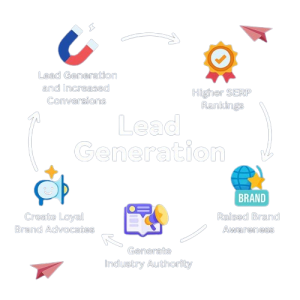
Lead generation is the process of attracting and capturing the interest of potential customers, known as leads, who may eventually purchase your product or service.
A lead typically provides their contact information, such as:
- Name
- Email address
- Phone number
- Company name
- Business requirements
Businesses collect this information through websites, landing pages, social media, advertisements, events, and other marketing channels.
Why Is Lead Generation Important?
Lead generation is the foundation of business growth. It helps companies:
- Increase sales opportunities
- Build a strong customer database
- Improve brand awareness
- Generate consistent revenue
- Reduce customer acquisition costs
- Create long-term customer relationships
- Improve marketing ROI
Without new leads, businesses eventually run out of new customers
Types of Lead
1. Marketing Qualified Leads (MQL)
These are users who have shown interest in your business by downloading an ebook, subscribing to your newsletter, or filling out a contact form.
2. Sales Qualified Leads (SQL)
These leads are ready to speak with your sales team and are more likely to make a purchase.
3. Product Qualified Leads (PQL)
Users who have experienced your product through a free trial or demo and show signs of becoming paying customers.
4. Service Qualified Leads
Existing customers who express interest in upgrading or purchasing additional services.
Best Lead Generation Strategies
1. Search Engine Optimization (SEO)
SEO helps your website rank higher on search engines, allowing potential customers to find your business organically.
Effective SEO includes:
- Keyword research
- On-page optimization
- Technical SEO
- High-quality content
- Link building
Organic traffic often delivers highly qualified leads over the long term.
2. Content Marketing
Creating valuable content builds trust and attracts potential customers.
Popular content formats include:
- Blog posts
- Guides
- Case studies
- Videos
- Infographics
- Checklists
- Whitepapers
Helpful content encourages visitors to share their contact information in exchange for valuable resources.
3. Social Media Marketing
Platforms like Facebook, Instagram, LinkedIn, and X (formerly Twitter) help businesses reach a wider audience.
Effective social media lead generation includes:
- Educational posts
- Short-form videos
- Live sessions
- Polls
- Stories
- Paid advertisements
4. Google Ads
Google Ads allow businesses to reach users actively searching for products or services.
Benefits include:
- Instant visibility
- Highly targeted audience
- Measurable results
- Flexible budgets
Well-optimized campaigns can generate leads quickly.
5. Landing Pages
A landing page is designed specifically to convert visitors into leads.
An effective landing page should include:
- A compelling headline
- Clear benefits
- Customer testimonials
- Strong call-to-action (CTA)
- Simple lead form
6. Email Marketing
Email marketing helps nurture leads until they’re ready to buy.
Useful email campaigns include:
- Welcome emails
- Educational content
- Promotional offers
- Product updates
- Follow-up emails
Personalized emails typically perform better than generic messages.
7. Referral Marketing
Happy customers can become your best marketing channel.
Offer referral incentives to encourage existing customers to recommend your business to friends, family, or colleagues.
8. Webinars and Online Events
Hosting webinars allows businesses to educate potential customers while collecting valuable lead information during registration.
Best Lead Generation Channels
- Organic Search (SEO)
- Google Ads
- Facebook Ads
- Instagram Ads
- LinkedIn Marketing
- Email Marketing
- YouTube
- Referral Programs
- Content Marketing
- Business Directories
Using multiple channels creates a stronger and more sustainable lead generation strategy.
Lead Generation Funnel
A successful lead generation process usually follows these stages:
Awareness
Potential customers discover your business through search engines, social media, ads, or referrals.
Interest
Visitors engage with your content, explore your website, or follow your social media pages.
Consideration
Prospects compare your services, read reviews, and evaluate whether your business meets their needs.
Conversion
The visitor submits a contact form, books a consultation, requests a quote, or makes a purchase.
Tips to Generate More High-Quality Leads
- Understand your target audience.
- Publish valuable, SEO-friendly content regularly.
- Optimize your website for mobile users.
- Use strong calls-to-action.
- Offer free resources such as ebooks or templates.
- Create dedicated landing pages for campaigns.
- Respond quickly to inquiries.
- Build trust with testimonials and reviews.
- Track campaign performance using analytics tools.
- Continuously test and improve your marketing strategies.
Common Lead Generation Mistakes
Avoid these mistakes:
- Targeting the wrong audience
- Ignoring SEO
- Using complicated lead forms
- Poor website user experience
- Weak call-to-action
- Not following up with leads
- Buying low-quality lead lists
- Failing to measure campaign performance
How to Measure Lead Generation Success
Key performance indicators (KPIs) include:
- Number of leads generated
- Cost per lead (CPL)
- Conversion rate
- Click-through rate (CTR)
- Landing page conversion rate
- Return on investment (ROI)
- Customer acquisition cost (CAC)
Monitoring these metrics helps improve future campaigns.
Final Thoughts
Lead generation is more than collecting contact information—it’s about attracting the right audience, building trust, and guiding potential customers through the buying journey. By combining SEO, content marketing, social media, paid advertising, email campaigns, and optimized landing pages, businesses can create a steady pipeline of qualified leads.
Success requires consistent effort, testing, and optimization. Focus on delivering value to your audience, and your lead generation strategy will support sustainable business growth.
Frequently Asked Questions (FAQs)
1. What is lead generation?
Lead generation is the process of attracting potential customers and collecting their contact information so you can nurture them into paying customers.
2. Which lead generation strategy is the most effective?
There is no single best strategy. A combination of SEO, content marketing, paid advertising, email marketing, and social media typically produces the best results.
3. What is a qualified lead?
A qualified lead is someone who has shown genuine interest in your products or services and is more likely to become a customer.
4. How can small businesses generate leads?
Small businesses can generate leads through SEO, Google Business Profile optimization, social media marketing, local SEO, referrals, email marketing, and targeted advertising.
5. How long does it take to see results from lead generation?
Paid advertising can generate leads quickly, while SEO and content marketing generally take several months to build consist