What Are Qualified Leads?

What Are Qualified Leads?

Generating leads is an important part of any business, but not every lead is ready to become a customer. Some people may only be browsing, while others are genuinely interested in making a purchase. These interested prospects are known as qualified leads. Understanding qualified leads helps businesses focus their time and resources on people who are most likely to convert into paying customers.

What Is a Qualified Lead?

A qualified lead is a potential customer who has shown genuine interest in a product or service and meets specific criteria that make them more likely to make a purchase. Unlike general leads, qualified leads have a higher chance of becoming customers because they have demonstrated intent, need, or the ability to buy.

For example, someone who downloads a free guide and later requests a product demo is more qualified than someone who simply visits a website and leaves without taking any action.

Why Are Qualified Leads Important?

Qualified leads help businesses improve sales and marketing efficiency. Instead of contacting every visitor, businesses can focus on people who are most likely to buy.

Some key benefits include:

  • Higher conversion rates
  • Better return on marketing investment (ROI)
  • Shorter sales cycle
  • Improved customer relationships
  • More efficient use of sales and marketing resources

By targeting qualified leads, businesses save time and increase their chances of closing deals.

Types of Qualified Leads

1. Marketing Qualified Leads (MQLs)

Marketing Qualified Leads are people who have shown interest in a business through marketing activities but are not yet ready to buy.

Examples include:

  • Downloading an eBook
  • Subscribing to a newsletter
  • Registering for a webinar
  • Visiting multiple pages on a website

These leads need further nurturing before they are passed to the sales team.

2. Sales Qualified Leads (SQLs)

Sales Qualified Leads are prospects who have shown a stronger buying intent and are ready to speak with the sales team.

Examples include:

  • Requesting a product demo
  • Asking for pricing information
  • Booking a consultation
  • Filling out a contact form for business inquiries

SQLs are considered ready for direct sales conversations.

3. Product Qualified Leads (PQLs)

Product Qualified Leads are users who have experienced a product through a free trial or freemium version and are likely to upgrade to a paid plan.

For example, a user who actively uses a free software version and reaches its feature limits is a Product Qualified Lead.

How to Identify Qualified Leads

Businesses use different factors to determine whether a lead is qualified, including:

  • Interest in the product or service
  • Budget to make a purchase
  • Decision-making authority
  • Need for the solution
  • Purchase timeline

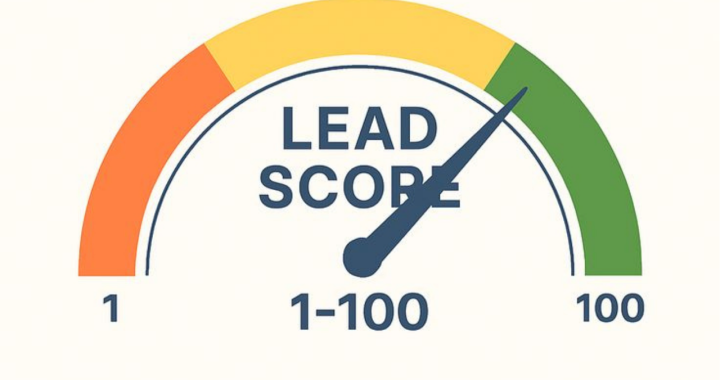
Many companies use lead scoring systems that assign points based on customer actions, such as downloading content, opening emails, or requesting a demo.

How to Generate More Qualified Leads

To attract better-quality leads, businesses should:

  • Optimize their website for SEO
  • Create valuable content
  • Offer useful lead magnets
  • Use targeted advertising
  • Build high-converting landing pages
  • Nurture leads through email marketing
  • Track customer behavior using analytics

These strategies help attract people who are genuinely interested in your products or services.

Common Mistakes to Avoid

Many businesses lose opportunities by making these mistakes:

  • Focusing only on the number of leads instead of quality
  • Ignoring lead nurturing
  • Targeting the wrong audience
  • Failing to qualify leads before contacting them
  • Not following up quickly

Avoiding these mistakes can improve both lead quality and sales performance.

Conclusion

Qualified leads are potential customers who have shown genuine interest and are more likely to purchase your products or services. They help businesses focus on the right audience, improve conversion rates, reduce marketing costs, and increase revenue. By identifying and nurturing qualified leads through SEO, content marketing, email campaigns, and targeted advertising, businesses can build stronger customer relationships and achieve long-term growth. Instead of chasing every lead, focusing on qualified leads ensures that your sales and marketing efforts deliver better results.

Why Do Businesses Need Lead Generation?

Why Do Businesses Need Lead Generation?

In today’s competitive market, simply having a great product or service is not enough. Businesses need a consistent way to attract potential customers and convert them into loyal buyers. This is where lead generation plays a crucial role. It helps businesses identify people who are genuinely interested in their products or services, making marketing efforts more effective and increasing sales opportunities.

What Is Lead Generation?

Lead generation is the process of attracting potential customers and collecting their contact information, such as their name, email address, or phone number. These potential customers, known as leads, have shown interest in a business and are more likely to become paying customers.

Instead of reaching out to random audiences, businesses can focus on people who are already interested, resulting in higher conversion rates and better marketing efficiency.

Why Is Lead Generation Important for Businesses?

1. Attracts Potential Customers

Lead generation helps businesses reach people who are actively looking for their products or services. This targeted approach increases the chances of turning visitors into customers.

2. Increases Sales Opportunities

A steady flow of qualified leads gives businesses more opportunities to make sales. The more quality leads a business generates, the greater the chances of increasing revenue.

3. Improves Marketing Efficiency

Instead of spending money on broad advertising, lead generation allows businesses to focus their marketing efforts on audiences that are most likely to buy. This improves the return on investment (ROI).

4. Builds Brand Awareness

Creating valuable content, running social media campaigns, and optimizing websites for search engines help businesses reach a larger audience. Even if visitors don’t buy immediately, they become familiar with the brand.

5. Helps Build Customer Relationships

Lead generation doesn’t end after collecting contact information. Businesses nurture leads through emails, newsletters, blogs, and personalized communication. This builds trust and encourages long-term customer relationships.

6. Supports Business Growth

Every growing business needs a consistent stream of new customers. Lead generation creates a reliable pipeline of potential buyers, helping businesses expand their customer base and achieve sustainable growth.

7. Reduces Customer Acquisition Costs

Generating qualified leads is often more cost-effective than traditional marketing methods. Businesses spend less money reaching people who are unlikely to buy and focus on those who have already shown interest.

8. Increases Conversion Rates

Since leads have already expressed interest, they are more likely to convert into paying customers. This results in higher conversion rates compared to untargeted marketing campaigns.

9. Provides Valuable Customer Insights

Lead generation tools and analytics help businesses understand customer behavior, interests, and preferences. These insights can be used to improve products, marketing campaigns, and customer experiences.

10. Gives a Competitive Advantage

Businesses that consistently generate high-quality leads can outperform competitors. A strong lead generation strategy ensures a continuous flow of potential customers while strengthening brand credibility and market presence.

Effective Lead Generation Methods

Businesses use several strategies to generate quality leads, including:

  • Search Engine Optimization (SEO)
  • Content Marketing
  • Social Media Marketing
  • Google Ads
  • Email Marketing
  • Landing Pages
  • Free Trials and Consultations
  • Referral Programs
  • Webinars and Online Events

Combining these methods helps businesses attract more qualified leads and improve conversion rates.

Common Challenges Without Lead Generation

Businesses that don’t invest in lead generation often face problems such as:

  • Low website traffic
  • Fewer sales opportunities
  • Higher advertising costs
  • Inconsistent business growth
  • Difficulty finding new customers
  • Lower brand visibility

Without a proper lead generation strategy, businesses may struggle to compete in today’s digital marketplace.

Conclusion

Lead generation is essential for businesses because it helps attract the right audience, increase sales opportunities, build customer relationships, and support long-term growth. Rather than relying on random marketing efforts, businesses can focus on people who are genuinely interested in their products or services. By using strategies such as SEO, content marketing, social media marketing, email campaigns, and paid advertising, companies can generate high-quality leads, improve conversions, and achieve sustainable success. Investing in lead generation is not just about gaining new customers—it’s about building a strong foundation for long-term business growth.

How Does Lead Generation Work?

How Does Lead Generation Work?

Lead generation is one of the most important aspects of digital marketing. Every business needs customers to grow, but finding the right customers can be challenging. This is where lead generation helps. It is the process of attracting potential customers, capturing their interest, and converting them into paying clients. Whether you run a small business or a large company, an effective lead generation strategy can increase sales and build long-term customer relationships.

What Is Lead Generation?

Lead generation is the process of attracting people who are interested in your products or services and collecting their contact information, such as their name, email address, or phone number. Once someone shares their details, they become a lead. Businesses can then communicate with these leads and encourage them to make a purchase.

For example, if someone visits your website, downloads a free eBook, or fills out a contact form, they become a potential lead.

How Does Lead Generation Work?

Lead generation follows a simple process that turns website visitors into customers.

1. Attract the Right Audience

The first step is to bring people to your website or landing page. Businesses use different digital marketing channels to attract potential customers, including:

  • Search Engine Optimization (SEO)
  • Content Marketing
  • Social Media Marketing
  • Google Ads
  • Email Marketing
  • YouTube Marketing

The goal is to attract visitors who are already searching for the products or services you offer.

2. Capture Their Information

Once visitors arrive on your website, businesses encourage them to share their contact information. This is usually done by offering something valuable, such as:

  • Free consultation
  • Free eBook
  • Discount coupon
  • Webinar
  • Free trial
  • Checklist or template

Visitors fill out a simple form with their name, email, or phone number. This information allows businesses to contact them later.

3. Nurture the Leads

Not every lead is ready to buy immediately. Businesses keep in touch with potential customers by sending helpful emails, sharing blog posts, offering product demonstrations, or providing useful tips. This process is called lead nurturing and helps build trust over time.

4. Convert Leads into Customers

Once a lead is convinced that your product or service meets their needs, they take action. This could be purchasing a product, booking a consultation, requesting a quote, or subscribing to a service. At this stage, the lead becomes a customer.

Example of Lead Generation

Imagine you own a digital marketing agency. A business owner searches Google for “How to improve website traffic” and finds your blog. At the end of the article, you offer a Free SEO Audit. The visitor enters their email address to receive the report. You then send useful emails explaining how SEO can improve their website. After a few days, the visitor decides to hire your agency. This is a complete lead generation process.

Best Lead Generation Strategies

There are many ways to generate quality leads. Some of the most effective strategies include:

Search Engine Optimization (SEO)

SEO helps your website rank higher on search engines like Google. Higher rankings bring more organic traffic and increase the chances of generating qualified leads.

Content Marketing

Creating valuable blogs, videos, guides, and infographics helps educate your audience while building trust. Quality content attracts visitors who are genuinely interested in your services.

Social Media Marketing

Platforms like Facebook, Instagram, LinkedIn, and X allow businesses to connect with potential customers, promote offers, and drive traffic to their websites.

Email Marketing

Email marketing is an excellent way to nurture leads. Sending personalized emails, newsletters, and promotional offers keeps your business in front of potential customers.

Paid Advertising

Google Ads and social media ads can generate leads quickly by targeting users who are actively searching for your products or services.

Benefits of Lead Generation

An effective lead generation strategy offers several advantages:

  • Generates high-quality potential customers
  • Increases sales opportunities
  • Improves brand awareness
  • Builds customer trust
  • Increases conversion rates
  • Provides long-term business growth
  • Improves marketing return on investment (ROI)

Common Lead Generation Mistakes

Many businesses struggle because they make simple mistakes, such as:

  • Targeting the wrong audience
  • Having a slow website
  • Using weak call-to-action buttons
  • Not following up with leads
  • Asking for too much information in forms
  • Ignoring mobile users

Avoiding these mistakes can significantly improve your lead generation results.

Conclusion

Lead generation is the process of attracting potential customers, collecting their contact information, nurturing their interest, and converting them into loyal clients. It plays a vital role in helping businesses grow by creating a steady flow of qualified leads. By using strategies such as SEO, content marketing, social media marketing, email marketing, and paid advertising, businesses can reach the right audience and increase conversions. A well-planned lead generation strategy not only boosts sales but also builds lasting customer relationships, making it an essential part of any successful digital marketing plan.

How Does Page Speed Impact On-Page SEO?

How Does Page Speed Impact On-Page SEO?

Introduction

Page speed is one of the most important factors in modern On-Page SEO. It refers to how quickly a webpage loads and becomes interactive for users. In today’s fast-paced digital world, visitors expect websites to load within a few seconds. If a page takes too long to load, users are likely to leave before viewing the content, resulting in higher bounce rates and lost business opportunities.

Google has confirmed that page speed is a ranking factor for both desktop and mobile searches. However, its impact extends beyond rankings. A faster website improves user experience, increases engagement, boosts conversions, and helps search engines crawl your website more efficiently.

In this article, you’ll learn how page speed affects On-Page SEO, why it matters, and how to improve your website’s loading performance.

What Is Page Speed?

Page speed is the amount of time it takes for a webpage to fully load and become usable. It includes how quickly images, text, buttons, and other website elements appear and respond to user interactions.

A fast-loading website provides a smooth browsing experience, while a slow website can frustrate users and reduce engagement.

Why Page Speed Matters for On-Page SEO

Page speed is directly connected to several important SEO factors. Google aims to provide users with the best possible experience, so websites that load quickly are more likely to perform well in search results.

A slow website can negatively affect:

  • Search rankings
  • User experience
  • Bounce rate
  • Conversion rate
  • Crawl efficiency
  • Customer satisfaction

Although content quality remains the most important ranking factor, page speed plays a significant supporting role.

1. Better User Experience

User experience (UX) is at the heart of On-Page SEO.

When visitors land on a website, they expect instant access to information. If the page loads quickly, users are more likely to stay, explore additional pages, and interact with your content.

Fast websites create positive first impressions and encourage visitors to return.

2. Lower Bounce Rate

Bounce rate measures the percentage of users who leave a website after viewing only one page.

Slow-loading pages often cause visitors to leave before the content even appears.

A lower bounce rate indicates that users find your website useful and engaging, which can positively influence overall SEO performance.

3. Higher Search Engine Rankings

Google uses page experience as one of many ranking signals.

While page speed alone won’t guarantee first-page rankings, it can provide a competitive advantage when combined with:

  • High-quality content
  • Strong On-Page SEO
  • Relevant keywords
  • Quality backlinks
  • Excellent user experience

Fast websites are generally easier for Google to recommend to users.

4. Improved Mobile SEO

Most internet users now browse websites using smartphones.

Mobile users often rely on slower internet connections, making page speed even more important.

A responsive website that loads quickly on mobile devices helps improve both user experience and mobile search rankings.

5. Better Crawl Efficiency

Google uses automated bots to crawl and index websites.

If your pages load slowly, search engine crawlers may spend more time loading each page, reducing the number of pages they can crawl during a visit.

Faster websites allow search engines to discover and index more content efficiently.

6. Higher Conversion Rates

Website speed directly affects business performance.

Whether your goal is generating leads, selling products, or increasing newsletter subscriptions, faster pages often produce better results.

Studies consistently show that even small improvements in loading speed can lead to higher conversion rates because users are less likely to abandon the website.

Common Causes of Slow Page Speed

Several technical issues can reduce website performance.

The most common causes include:

  • Large, uncompressed images
  • Poor-quality web hosting
  • Excessive JavaScript
  • Too many plugins
  • Large CSS files
  • Too many HTTP requests
  • Unoptimized fonts
  • No browser caching

Identifying these issues is the first step toward improving website speed.

How to Improve Page Speed

Improving page speed requires a combination of technical optimization and good website management.

Some of the most effective strategies include:

Compress Images

Large images significantly slow down websites.

Use compressed image formats such as WebP or optimized JPEG files without sacrificing quality.

Enable Browser Caching

Caching stores website files on users’ devices so returning visitors can load pages much faster.

Minify CSS and JavaScript

Remove unnecessary code, spaces, and comments from CSS and JavaScript files to reduce file size.

Use a Content Delivery Network (CDN)

A CDN stores website files on servers located around the world, allowing visitors to load content from the nearest server.

Choose Reliable Hosting

High-quality hosting improves server response times and website stability.

Remove Unnecessary Plugins

Every plugin adds extra code that may affect loading speed.

Keep only the plugins that provide real value.

Best Tools to Test Page Speed

Several free tools can help analyze your website’s performance.

Popular options include:

  • Google PageSpeed Insights
  • GTmetrix
  • Pingdom Website Speed Test
  • Lighthouse
  • WebPageTest

These tools provide recommendations for improving loading speed and overall page performance.

Page Speed Best Practices

To maintain a fast website, follow these best practices:

  • Optimize images before uploading.
  • Use responsive design for mobile users.
  • Reduce unnecessary scripts and plugins.
  • Enable browser caching.
  • Compress website files.
  • Improve server response time.
  • Regularly test website performance.
  • Keep themes, plugins, and software updated.

Consistent optimization ensures your website remains fast as it grows.

Conclusion

Page speed is an essential component of On-Page SEO because it directly affects user experience, search engine rankings, website engagement, and conversions. While great content remains the foundation of SEO success, even the best content can struggle to perform if visitors leave due to slow loading times.

By optimizing images, reducing unnecessary code, using reliable hosting, enabling caching, and regularly monitoring website performance, you can create a faster, more user-friendly website that benefits both your audience and search engines.

In today’s competitive online environment, improving page speed isn’t just a technical upgrade—it’s a long-term SEO strategy that helps increase visibility, retain visitors, and support sustainable business growth.

What SEO Strategy Delivers the Best Long-Term Results?

What SEO Strategy Delivers the Best Long-Term Results?

Introduction

Search Engine Optimization (SEO) is not about finding shortcuts or chasing quick rankings. While some tactics may deliver temporary results, sustainable SEO success comes from building a website that consistently provides value to users and meets search engine quality standards.

With Google’s algorithms becoming smarter every year, long-term SEO success depends on creating helpful content, delivering an excellent user experience, and building trust and authority over time. Businesses that focus on ethical, user-first SEO strategies are more likely to maintain stable rankings, even after major algorithm updates.

In this article, we’ll explore the SEO strategies that deliver the best long-term results and how you can build a strong foundation for lasting organic growth.

1. Create High-Quality, Helpful Content

Content remains the heart of every successful SEO strategy. Google rewards websites that provide accurate, informative, and valuable content that answers users’ questions.

Instead of publishing large amounts of low-quality articles, focus on creating content that solves real problems. Comprehensive guides, tutorials, case studies, FAQs, and industry insights tend to perform well over time.

Helpful content not only improves rankings but also increases user engagement, shares, and backlinks.

2. Focus on Search Intent

Understanding search intent is one of the most important SEO strategies today.

Every search query reflects what the user wants to achieve. Your content should match that expectation.

The four primary types of search intent are:

  • Informational
  • Navigational
  • Commercial
  • Transactional

Before writing any article, analyze the top-ranking pages for your target keyword and create content that satisfies the same intent while offering additional value.

3. Perform Smart Keyword Research

Choosing the right keywords is essential for long-term success.

Instead of targeting only highly competitive keywords, include long-tail keywords that have clear user intent and lower competition. These keywords often attract more qualified visitors and generate better conversions.

Use keyword research tools to identify opportunities and naturally include related terms throughout your content.

4. Strengthen On-Page SEO

Even excellent content needs proper optimization.

Important on-page SEO elements include:

  • Optimized title tags
  • Compelling meta descriptions
  • Proper heading structure (H1, H2, H3)
  • Internal linking
  • Image optimization
  • Descriptive URLs
  • Keyword placement without overuse

Well-optimized pages help search engines understand your content while improving the overall user experience.

5. Improve Technical SEO

Technical SEO ensures that search engines can crawl, index, and understand your website efficiently.

Key technical improvements include:

  • Fast loading speed
  • Mobile-friendly design
  • Secure HTTPS connection
  • XML sitemap
  • Clean website architecture
  • Proper robots.txt configuration
  • Fixing broken links and crawl errors

A technically sound website creates a strong foundation for every other SEO effort.

6. Build High-Quality Backlinks

Backlinks continue to be an important ranking factor, but quality matters far more than quantity.

Focus on earning links naturally through:

  • Valuable content
  • Guest posting
  • Digital PR
  • Industry collaborations
  • Resource pages
  • Original research

Avoid buying backlinks or participating in spammy link schemes, as these can harm your rankings over time.

7. Prioritize User Experience (UX)

Google wants to rank websites that provide an excellent experience for visitors.

Improve your website by:

  • Increasing page speed
  • Using responsive design
  • Simplifying navigation
  • Improving readability
  • Reducing intrusive pop-ups
  • Making important information easy to find

A positive user experience encourages visitors to stay longer and interact more with your content.

8. Update Existing Content Regularly

SEO is an ongoing process, not a one-time task.

Refreshing older content helps maintain its relevance and competitiveness.

Regular updates may include:

  • Adding recent statistics
  • Improving examples
  • Updating screenshots
  • Refreshing keywords
  • Expanding sections
  • Fixing outdated information

Updated content often regains rankings and attracts new traffic without creating an entirely new article.

9. Build Topical Authority

Rather than publishing unrelated content, focus on becoming an expert in your niche.

Create multiple in-depth articles around a specific topic and connect them through internal links. This approach helps search engines recognize your expertise and improves the visibility of your entire website.

For example, a digital marketing website might cover:

  • On-Page SEO
  • Off-Page SEO
  • Technical SEO
  • Keyword Research
  • Link Building
  • Local SEO
  • SEO Tools
  • SEO Audits

Together, these articles establish topical authority.

10. Monitor Performance and Adapt

The best SEO strategy is one that evolves with changing search trends and algorithm updates.

Track important metrics such as:

  • Organic traffic
  • Keyword rankings
  • Click-through rate (CTR)
  • Bounce rate
  • Conversion rate
  • Indexed pages
  • Backlink growth

Use this data to identify opportunities, improve underperforming pages, and refine your overall strategy.

Common Mistakes to Avoid

Even with a strong SEO plan, avoid practices that can hurt long-term performance:

  • Keyword stuffing
  • Duplicate content
  • Buying low-quality backlinks
  • Ignoring mobile optimization
  • Slow-loading pages
  • Publishing thin content
  • Neglecting technical SEO
  • Failing to update old content

Sustainable SEO depends on consistency and quality rather than shortcuts.

Conclusion

The best long-term SEO strategy is one that puts users first. Instead of chasing algorithm loopholes, focus on creating valuable content, understanding search intent, improving technical performance, optimizing on-page elements, earning high-quality backlinks, and delivering an exceptional user experience.

SEO is a continuous investment rather than a quick fix. Websites that consistently publish helpful content, build topical authority, maintain technical health, and adapt to changing search trends are far more likely to achieve lasting rankings and steady organic traffic.

By combining high-quality content with ethical SEO practices and regular optimization, you can build a website that not only ranks well today but continues to perform successfully for years to come.

Is Link Building Still Effective in 2026?

Is Link Building Still Effective in 2026? Everything You Need to Know

Introduction

Link building has been one of the core pillars of Search Engine Optimization (SEO) for decades. In the early days of Google, websites could improve their rankings simply by acquiring a large number of backlinks. However, search algorithms have evolved significantly over the years. With AI-powered search, Google’s Helpful Content System, and increasing emphasis on user experience, many marketers wonder: Is link building still effective in 2026?

The short answer is yes—but not in the same way it used to be.

Today, success isn’t determined by the number of backlinks a website has. Instead, Google values high-quality, relevant, and trustworthy backlinks that genuinely demonstrate a website’s authority. Spammy link-building tactics that once worked are now more likely to hurt rankings than help them.

In this article, we’ll explore whether link building still matters in 2026, how Google evaluates backlinks, and the best strategies to build links that improve your rankings safely.

Why Link Building Still Matters

A backlink is simply a link from another website pointing to your website. Search engines treat these links as signals of trust and credibility. When reputable websites link to your content, it indicates that your information is valuable and worth recommending.

Although Google’s algorithm now considers hundreds of ranking factors—including content quality, page experience, mobile usability, and user intent—backlinks remain one of the strongest signals of authority.

However, backlinks only provide value when they come from relevant and trustworthy sources.

How Google Evaluates Backlinks in 2026

Google no longer rewards websites for collecting thousands of random links. Instead, it evaluates backlinks based on quality rather than quantity.

Some of the most important factors include:

  • Relevance: Links from websites in the same industry carry more value.
  • Authority: Backlinks from trusted and established websites have greater impact.
  • Natural Placement: Editorial links placed naturally within quality content are more valuable than paid or spammy links.
  • Anchor Text: Descriptive anchor text helps search engines understand the linked page.
  • User Value: Links that genuinely help readers are preferred over manipulative link schemes.

This means a single backlink from a respected industry website can be more beneficial than hundreds of low-quality backlinks.

Link Building Strategies That Still Work

1. Create High-Quality Content

Exceptional content naturally attracts backlinks. Comprehensive guides, original research, case studies, statistics, and practical tutorials are more likely to be referenced by other websites.

The better your content solves a problem, the more likely people are to link to it.

2. Guest Posting

Guest blogging continues to be an effective strategy when done correctly. Contributing valuable content to reputable websites helps you build authority, reach new audiences, and earn relevant backlinks.

Focus on quality publications rather than websites created solely for link exchanges.

3. Digital PR

Digital PR has become one of the most effective link-building techniques. Publishing unique insights, surveys, reports, or expert opinions can attract mentions from journalists, bloggers, and news websites.

These editorial backlinks are among the strongest signals of authority.

4. Resource Pages

Many websites maintain resource pages that recommend useful tools, guides, and educational content. If your content genuinely adds value, reaching out to these websites can earn high-quality backlinks.

5. Broken Link Building

Broken link building involves identifying broken links on other websites and suggesting your relevant content as a replacement. This approach benefits both website owners and users while earning you valuable backlinks.

Link Building Practices to Avoid

Not every backlink is beneficial. Some outdated practices can negatively impact your SEO performance.

Avoid:

  • Buying backlinks solely to manipulate rankings
  • Using automated link-building software
  • Participating in link farms or private blog networks (PBNs)
  • Excessive reciprocal link exchanges
  • Comment spam on blogs and forums
  • Low-quality directory submissions
  • Irrelevant backlinks from unrelated websites

These tactics violate search engine guidelines and may lead to ranking declines.

The Role of Content in Modern Link Building

In 2026, successful link building starts with outstanding content.

If your content is unique, informative, and solves real problems, other websites are naturally more likely to reference it.

Content formats that often attract backlinks include:

  • Ultimate guides
  • Industry research
  • Original statistics
  • Infographics
  • Step-by-step tutorials
  • Case studies
  • Expert interviews
  • Free templates and tools

Creating link-worthy content is often more sustainable than actively chasing backlinks.

Does AI Reduce the Importance of Link Building?

Artificial intelligence has changed how search engines understand content, but it hasn’t eliminated the importance of backlinks.

AI helps Google better evaluate:

  • Content quality
  • Topical expertise
  • User satisfaction
  • Website authority
  • Search intent

Backlinks continue to serve as external signals that reinforce your credibility. While AI improves content evaluation, trustworthy backlinks remain an important ranking factor when combined with excellent content and a positive user experience.

Link Building Best Practices for 2026

To build links safely and effectively, follow these best practices:

  • Prioritize quality over quantity.
  • Create original, valuable content.
  • Build relationships within your industry.
  • Earn editorial mentions instead of buying links.
  • Diversify your backlink sources.
  • Monitor your backlink profile regularly.
  • Remove or disavow harmful backlinks when necessary.
  • Combine link building with strong technical and on-page SEO.

A balanced SEO strategy delivers better long-term results than relying on backlinks alone.

Conclusion

So, is link building still effective in 2026? Absolutely—but the rules have changed.

Today’s SEO success depends on earning high-quality, relevant, and trustworthy backlinks rather than accumulating as many links as possible. Google rewards websites that demonstrate expertise, authority, and value through natural editorial links supported by exceptional content and a great user experience.

Businesses that focus on creating useful resources, building genuine relationships, and following ethical SEO practices will continue to benefit from link building for years to come. Instead of looking for shortcuts, invest in strategies that provide long-term value. When combined with quality content, technical SEO, and user-focused optimization, link building remains one of the most powerful ways to improve search rankings and grow organic traffic.

Which SEO Mistakes Hurt Rankings the Most?

Which SEO Mistakes Hurt Rankings the Most?

Introduction

Search Engine Optimization (SEO) is one of the most effective digital marketing strategies for driving organic traffic, generating leads, and increasing online sales. However, many businesses invest months creating content and optimizing their websites only to see little or no improvement in search engine rankings.

The reason is often simple—they’re making critical SEO mistakes.

Google’s search algorithm has become more intelligent than ever. Instead of rewarding websites that simply stuff keywords or build thousands of backlinks, Google now prioritizes websites that provide high-quality content, excellent user experience, technical performance, and genuine authority.

Even a few SEO mistakes can significantly reduce your visibility in search results, lower your website traffic, and decrease conversions.

In this guide, you’ll discover the most common SEO mistakes that hurt rankings, why they matter, and how to fix them to improve your website’s performance.

1. Targeting the Wrong Keywords

One of the biggest SEO mistakes is optimizing content for keywords that users aren’t actually searching for.

Many website owners choose keywords with extremely high competition or keywords unrelated to their business.

Why It Hurts Rankings

  • Low search visibility
  • Poor click-through rate
  • Irrelevant traffic
  • Low conversions

Best Practice

Use keyword research tools like Google Keyword Planner, Ahrefs, SEMrush, or Ubersuggest to find keywords that have:

  • High search intent
  • Moderate competition
  • Good search volume
  • Relevance to your business

Focus on long-tail keywords because they are easier to rank for and often convert better.

2. Keyword Stuffing

Years ago, repeating the same keyword dozens of times could help rankings. Today, it does exactly the opposite.

Example:

Best SEO agency provides best SEO services because our SEO agency is the best SEO agency.

This looks unnatural and provides poor readability.

Why It Hurts Rankings

  • Poor user experience
  • Google may treat it as spam
  • Lower content quality score

Best Practice

Use keywords naturally.

Include:

  • Primary keyword
  • Related keywords
  • Semantic keywords
  • Synonyms

Write for humans first and search engines second.

3. Publishing Thin or Low-Quality Content

Google prefers content that fully answers user questions.

Publishing 300-word articles with little useful information rarely ranks well.

Signs of Thin Content

  • Very short articles
  • Duplicate information
  • No examples
  • No images
  • Poor formatting

Best Practice

Create comprehensive content that includes:

  • Practical examples
  • FAQs
  • Statistics
  • Case studies
  • Actionable tips

Long-form content often performs better because it satisfies user intent.

4. Duplicate Content

Duplicate content means identical or very similar content appears on multiple pages.

Examples include:

  • Copying blogs from other websites
  • Product descriptions copied from manufacturers
  • Multiple pages targeting the same keyword

Why It Hurts Rankings

Google becomes confused about which page should rank.

As a result:

  • Rankings decrease
  • Pages compete against each other
  • Crawling efficiency reduces

Best Practice

Write unique content for every page.

Use canonical tags when necessary.

5. Ignoring Search Intent

Many websites optimize for keywords without understanding what users actually want.

For example:

Someone searches:

“Best budget smartphones”

But your page only explains smartphone history.

The content doesn’t satisfy user intent.

Types of Search Intent

  • Informational
  • Navigational
  • Commercial
  • Transactional

Best Practice

Study Google’s first-page results before writing.

Create content that matches what users expect.

6. Slow Website Speed

Website speed has become an important ranking factor.

If your website takes more than a few seconds to load, many visitors leave immediately.

Common Causes

  • Large images
  • Poor hosting
  • Too many plugins
  • Heavy JavaScript
  • Unoptimized CSS

Impact

  • Higher bounce rate
  • Poor user experience
  • Lower rankings

Best Practice

  • Compress images
  • Enable browser caching
  • Minify CSS and JavaScript
  • Use a Content Delivery Network (CDN)
  • Choose reliable hosting

7. Poor Mobile Optimization

Most Google searches now happen on mobile devices.

If your website isn’t mobile-friendly, rankings can suffer significantly.

Common Problems

  • Small text
  • Broken layouts
  • Slow loading
  • Buttons too close together

Best Practice

Use responsive web design and regularly test your website on different screen sizes.

8. Missing Title Tags and Meta Descriptions

Title tags and meta descriptions influence both rankings and click-through rates.

Without them, search engines may generate random snippets.

Best Practice

Create:

  • Unique title tags
  • Keyword-rich titles
  • Engaging meta descriptions
  • Clear page summaries

9. Poor Internal Linking

Internal links help Google understand your website structure.

Without proper linking:

  • Pages remain isolated
  • Authority doesn’t flow
  • Users struggle to navigate

Best Practice

Link related articles naturally.

Example:

A blog about “On-Page SEO” should link to articles on keyword research, technical SEO, and content optimization.

10. Broken Links

Broken links create a poor user experience and waste crawl budget.

Effects

  • 404 errors
  • Reduced trust
  • Lower SEO value

Best Practice

Regularly audit your website using tools like Screaming Frog or Google Search Console to identify and fix broken links.

11. Poor Image Optimization

Images can improve SEO—but only when optimized.

Common Mistakes

  • Huge image sizes
  • Missing ALT text
  • Generic filenames
  • No compression

Best Practice

  • Compress images
  • Use descriptive filenames
  • Add keyword-relevant ALT text
  • Choose modern formats like WebP when appropriate

12. Ignoring Technical SEO

Technical SEO ensures search engines can crawl and index your website efficiently.

Common Technical Issues

  • Crawl errors
  • Indexing problems
  • Broken sitemap
  • Robots.txt mistakes
  • Duplicate URLs

Best Practice

Perform regular technical SEO audits and resolve issues promptly.

13. Building Low-Quality Backlinks

Not all backlinks help your website.

Spammy backlinks from irrelevant or low-quality websites can damage your rankings.

Avoid

  • Link farms
  • Paid spam links
  • Automated link-building tools

Best Practice

Earn backlinks through:

  • High-quality content
  • Guest posting
  • Digital PR
  • Industry collaborations
  • Resource pages

14. Ignoring User Experience (UX)

Google increasingly measures how users interact with websites.

If visitors quickly leave your site, rankings may decline over time.

Improve UX By

  • Better navigation
  • Fast loading
  • Clean design
  • Readable fonts
  • Clear calls-to-action
  • Helpful content

15. Not Updating Old Content

SEO isn’t a one-time task.

Old content becomes outdated.

Competitors publish newer, more comprehensive articles.

Best Practice

Regularly update:

  • Statistics
  • Screenshots
  • Examples
  • Internal links
  • Keywords
  • FAQs

Fresh content often performs better in search results.

16. Forgetting Local SEO

Businesses serving specific locations often ignore local optimization.

Optimize By

  • Creating a Google Business Profile
  • Using local keywords
  • Collecting customer reviews
  • Adding location-specific landing pages
  • Maintaining consistent business information across directories

17. Not Measuring SEO Performance

Without tracking performance, you won’t know what’s working.

Use Tools Like

  • Google Search Console
  • Google Analytics
  • Ahrefs
  • SEMrush
  • Bing Webmaster Tools

Track:

  • Organic traffic
  • Rankings
  • Click-through rate
  • Bounce rate
  • Conversions

SEO Checklist to Avoid Ranking Drops

Before publishing any page, ensure that you:

  • Perform proper keyword research.
  • Match search intent.
  • Write original, high-quality content.
  • Optimize title tags and meta descriptions.
  • Use headings correctly (H1, H2, H3).
  • Add internal links.
  • Optimize images.
  • Improve page speed.
  • Ensure mobile responsiveness.
  • Fix broken links.
  • Build high-quality backlinks.
  • Monitor performance with analytics tools.
  • Update old content regularly.

Conclusion

SEO success isn’t just about doing the right things—it’s also about avoiding the wrong ones. Mistakes such as keyword stuffing, duplicate content, poor mobile optimization, slow loading pages, weak backlinks, and ignoring technical SEO can significantly hurt your rankings, even if your content is valuable.

The good news is that most SEO issues are preventable and fixable. By focusing on high-quality content, understanding user intent, improving technical performance, and delivering an excellent user experience, you can build a strong foundation for long-term organic growth.

Remember, SEO is a continuous process. Regular audits, content updates, and adapting to search engine changes will help your website remain competitive and visible in search results. Instead of chasing quick wins, invest in sustainable SEO practices that prioritize your audience first. Over time, this approach will lead to higher rankings, increased traffic, and better business results.